
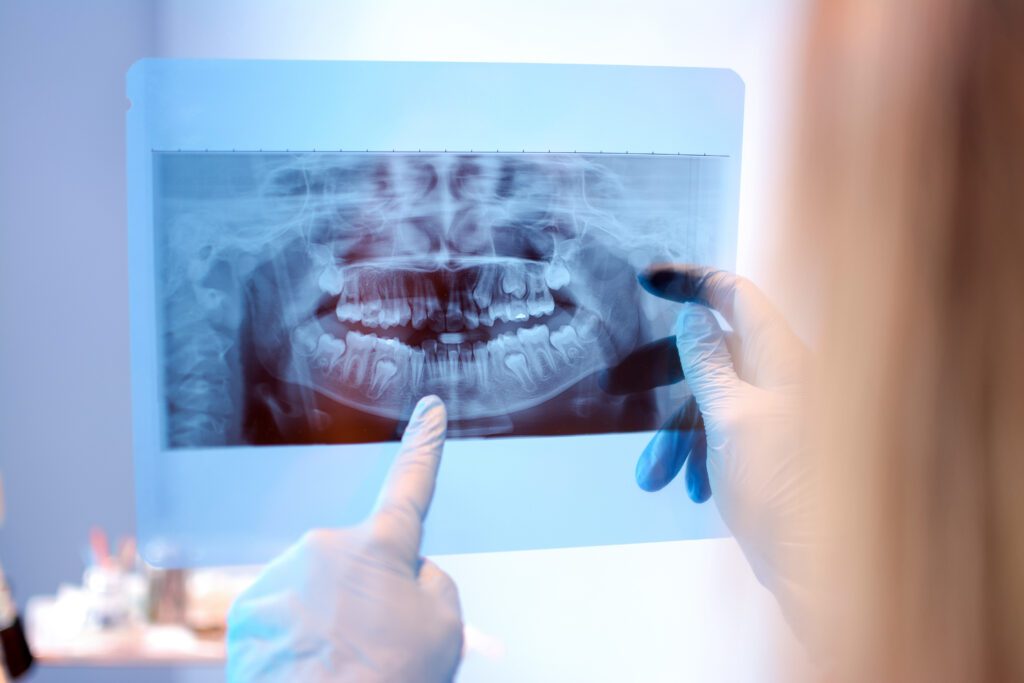
Most people dread hearing they need one of these procedures during dental visits, but knowing the difference could change how you feel about sitting in that chair.
Tooth Extractions
Sometimes a tooth is too damaged or decayed to save, and the kindest thing we can do is remove it. A tooth extraction is a simple, carefully performed procedure to take out a problem tooth so your mouth can heal and feel better.
Who Is It For?
You might need dental visits for an extraction if you are experiencing any of the following:
- Severe tooth pain or infection
- A broken or heavily decayed tooth
- Overcrowding that is affecting your bite or orthodontic treatment
- Teeth blocking the path of braces or implants
How It Works
We start by numbing the area completely so you stay comfortable throughout. Think of it like carefully removing a splinter so the area around it can finally heal. We then gently loosen and remove the tooth with minimal disruption to the surrounding tissue.
What You Can Expect
Afterward, we give you clear, easy instructions for recovery, including pain management and soft food suggestions. Most people feel noticeably better once the source of pain is gone.
Making Sense of Your Dental Visits: Root Canal or Extraction?
When your dentist mentions either of these procedures, it is easy to feel overwhelmed. Understanding what each option involves helps you walk into your dental visits with confidence rather than anxiety.
Both treatments address damaged or problematic teeth, but they take very different approaches. Here is a quick breakdown of each:
- Root canal: Saves your natural tooth by removing infected pulp and sealing the tooth
- Tooth extraction: Removes the tooth entirely when saving it is no longer a viable option
So which one is better? The honest answer is that it depends on the condition of your tooth. A root canal is generally preferred because keeping your natural tooth supports better long-term oral health.
However, extraction becomes the right call when a tooth is too damaged, severely decayed, or causing problems for surrounding teeth. Replacing an extracted tooth with an implant or bridge helps restore your smile and function.
| Factor | Root Canal | Tooth Extraction |
|---|---|---|
| Goal | Save the natural tooth | Remove the tooth entirely |
| Best suited for | Infected or damaged pulp, but structurally salvageable tooth | Severely decayed, broken, or overcrowding teeth |
| Recovery time | A few days to a week | A few days to two weeks |
| Follow-up treatment | Crown placement in most cases | Implant or bridge if tooth replacement is desired |
| Impact on surrounding teeth | Minimal, natural tooth remains in place | Gap left behind may affect adjacent teeth over time |
| Long-term oral health | Generally preferred for preserving natural bite | Appropriate when saving the tooth is not viable |
The best way to know which option suits your situation is to have an open conversation with your dentist. We are always here to walk you through your choices clearly and comfortably.
Tooth Extractions at Elevate Dental
At Elevate Dental, we offer tooth extractions because sometimes removing a tooth is the best way to protect your overall oral health. Whether it’s due to damage, decay, or overcrowding, we make sure you feel comfortable and informed every step of the way.
We understand that the idea of losing a tooth can feel daunting. Our team is here to walk you through your options and ensure the process is as smooth and pain-free as possible.
After your extraction, we also talk you through the next steps, whether that means leaving the space as is or exploring ways to restore your smile. Your long-term dental health is always our priority.
What Our Patients Say After Dental Visits
Patients consistently praise Elevate Dental for its clean, welcoming environment and attentive staff. Dr. Koo and the team are known for making patients feel comfortable, whether it is a routine cleaning or a tooth extraction. Special recognition goes to team members like Debbie, who help anxious patients feel at ease.
Reviewers highlight the efficiency of appointments, clear treatment explanations, and genuinely caring staff. With multiple five-star ratings, Elevate Dental comes highly recommended for anyone seeking quality dental care.
A recent patient shared this about their tooth extraction experience: Rating: 5/5 stars “The doctor was absolutely amazing during my tooth extraction. I barely felt anything and had no pain or discomfort. I highly recommend this dental office!” Read the full testimonial
Read our reviewsFrequently Asked Questions About Tooth Extractions and Root Canals
When is a tooth extraction necessary instead of a root canal?
A tooth extraction becomes the right choice when a tooth is too damaged, severely decayed, or broken beyond saving. At Elevate Dental, we always prefer to save your natural tooth when possible, but if the damage is too extensive, removing the tooth protects your overall oral health and prevents further problems.
What happens after a tooth is removed at Elevate Dental?
After your extraction, we walk you through clear recovery instructions, including pain management tips and soft food suggestions. We also discuss your next steps, whether that means leaving the space as is or exploring options like a dental implant or bridge to restore your smile.
How long does recovery take after a tooth extraction?
Recovery after a tooth extraction typically takes anywhere from a few days to two weeks. Most people notice significant improvement once the source of pain is removed, and our team makes sure you leave with everything you need for a smooth recovery.
Does a tooth extraction hurt?
We completely numb the area before starting, so you stay comfortable throughout the entire procedure. Many of our patients are surprised by how smooth the experience is, as one recent patient shared that they barely felt anything and had no pain or discomfort during their extraction.
How does removing a tooth affect the teeth around it?
When a tooth is removed, the gap left behind can affect your surrounding teeth over time. That is why we discuss tooth replacement options like implants or bridges with you after your extraction, helping you protect your bite and long-term oral health.
Schedule Dental Visits Today
At Elevate Dental, we are here to help you make confident, informed decisions about your smile. If you’re ready to get expert guidance on the best path forward, call us or schedule dental visits online to discuss whether a root canal or tooth extraction is right for you.